







Search Results for: Low Acid Coffee Recommendations
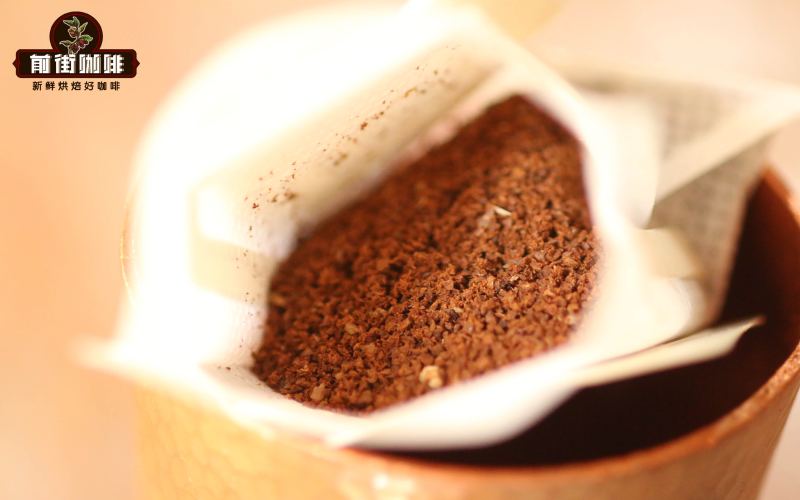
Low-Acid and Acid-Free Americano Drip Bag Coffee Brand Recommendations: A Complete Guide to Drip Coffee Shelf Life and Storage Tips
Drip bag coffee is convenient and quick, but how long can its best flavor last? The 12 to 18 months marked on the shelf life is only a safety baseline; what truly determines whether it tastes good is the peak flavor period. Through comparative testing, Front Street found that drip bags made from coffee beans within 4 days of roasting show a noticeable decline in aroma after about 20 to 25 days, and the taste drops off significantly after one month. Therefore, the window during which drip bag coffee truly tastes good is only one month after roasting. Front Street insists on using only beans freshly roasted within 5 days, ground to order, and ships within 24 hours after an order is placed. A pack of 10 small bags is just right for consuming one bag per day. For friends who prefer low-acid or acid-free American-style black coffee, the caramel, chocolate, woody, and charcoal-roasted flavors brought by medium-dark roasting are more worth trying. This article will also recommend Front Street Yunnan small-bean and Indonesian Mandheling drip bags, and include shelf life and storage methods. [more…]
How Does Roast Level Affect Coffee Acidity? A Guide to Nearly Acid-Free Espresso and Pour-Over Single-Origin Bean Recommendations
Many people want to find coffee beans that are completely acid-free, but in reality, coffee that contains absolutely no acidic substances at all hardly exists. The so-called "acid-free" coffees on the market are often just extremely low in acidity, to the point where it is hard to detect. The acidity level of coffee is mainly influenced by variety, growing environment, processing method, and roast level, among which the degree of roasting is especially key—the darker the roast, the more acidic substances are broken down, and the more prominent the bitterness and roasted aromas become, making it easier to mask any remaining acidity. This article will explain the principles behind this and recommend three nearly acid-free Front Street Coffee dark roasts according to flavor intensity: Brazil Queen Estate, Golden Mandheling, and Jamaica Blue Mountain, helping you choose beans precisely based on your taste preferences. [more…]
Analyzing Chlorogenic Acid in Coffee: Health Benefits, Content Differences, and Scientific Drinking Recommendations
Coffee is not only a refreshing beverage but also rich in various beneficial components. From the perspective of chlorogenic acid, this article systematically reviews the health value of coffee. As a key antioxidant, chlorogenic acid is widely present in green coffee beans and possesses multiple biological activities, including antibacterial, antiviral, and cardiovascular-protective effects. The article provides a detailed introduction to the chemical structure, plant sources, medical applications, and toxicity of chlorogenic acid, and compares changes in chlorogenic acid content across different coffee varieties and roast levels. Finally, based on extraction experimental data, it offers practical advice for daily coffee consumption. Whether you are a coffee enthusiast or a reader concerned with healthy eating, you can gain a scientific and objective understanding of coffee from it. [more…]
Drip Coffee Bag Brewing Tips: How to Brew Low-Acid, Rich, Non-Bitter Freshly Ground Black Coffee and Front Street Product Recommendations
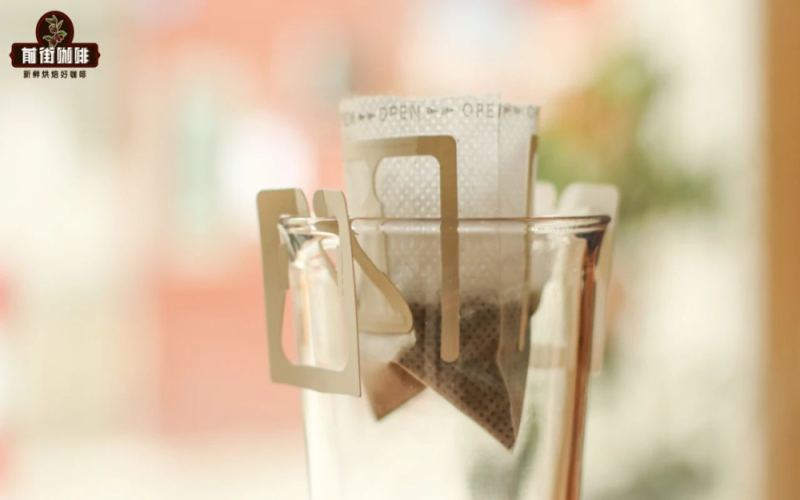
Drip coffee bags offer a convenient option for enthusiasts who seek specialty flavor but prefer not to brew manually. Some question whether they are professional enough, but as long as the beans are of high quality, the packaging blocks oxygen, and the coffee is consumed within its prime drinking period, the gap between drip bags and freshly ground pour-over is actually quite small. Front Street drip bags insist on fresh roasting and fresh grinding, and the grinder is thoroughly cleaned before each production run to avoid flavor crossover. The grind size has been repeatedly tested and set to medium-fine, reducing the over-extraction and muddiness caused by fine powder clogging. This article will also share the standard drip bag brewing steps, explaining everything from coffee-to-water ratio, water temperature, to pouring technique, and recommend four Front Street drip bags—Yirgacheffe, Sun-Dried Huakui, PWN Golden Mandheling, and Brazil Queen Estate—according to four flavor directions: floral and fruity, tropical fruit, low-acid and full-bodied, and balanced nuance, helping readers choose according to their preferences. [more…]
Where Does the Acidity in Tea Come From? A Guide to Drinking Tea with Acid Reflux and Recommendations for Acidic Black Teas
Whether tea is acidic is especially critical for people suffering from heartburn or acid reflux. The pH values of different types of tea vary significantly: black tea tends to be acidic, while green tea may be close to neutral or even alkaline. The factors affecting the acidity of brewed tea go far beyond the type of tea—the amount of leaves used, brewing temperature, steeping time, and whether tea bags are used all influence the final result. In addition, the caffeine in tea relaxes the esophageal sphincter, which may worsen reflux symptoms. If tooth pain occurs after drinking tea, it may also be related to acidity. This article systematically sorts out the relationship between tea and acidity, and includes recommendations for tart black teas, helping coffee and tea lovers enjoy flavor while also looking after their health. [more…]
Light Roast Acidity Explained and Fruit-Forward Coffee Picks: Five Front Street Recommendations
Many consumers mistakenly believe that the lighter the coffee is roasted, the more sour it becomes, but in reality the flavor is influenced by the complex interplay of acid transformation and sugars during roasting. This article begins with the inherent organic acids in green beans, sorting out the patterns of change in formic acid, acetic acid, citric acid, and others before and after first crack, and uses Front Street Papua New Guinea washed Typica cup tests from two roasts to illustrate that the light-medium range often shows the most pronounced acidity, while extremely light roasts instead appear sweet and mellow. Then, for readers who enjoy fruity acidity and floral aromas, the Front Street editors review five single-origin coffees with fruity and floral notes: Fruit Ding Ding, Little Tomato, Strawberry Candy, Big Navel, and Flower Butterfly, with variety, processing method, and flavor descriptions included for brewing reference. [more…]
Moka Pot Americano Weight Loss Guide: Low-Acid, Rich Coffee Bean Selection and Front Street Brand Recommendations
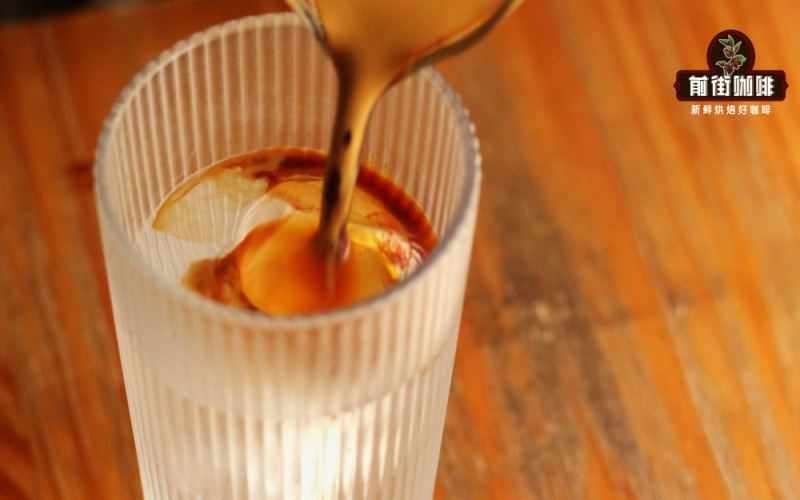
Want to use Americano to help with fat loss, but always put off by the bitter and sour taste? The key actually lies in choosing the right beans and brewing method. This article starts with the detailed steps for making an Americano with a moka pot, helping you easily extract a low-acid, non-bitter espresso base, then add water to make a refreshing Americano. Next, it focuses on recommending several espresso blend coffee beans suitable for moka pots, including Front Street Coffee's Classic, Commercial, Black Cocoa, and Strawberry Candy series, covering nutty balance, rich and full-bodied, mildly acidic and full-bodied, and floral-fruity notes, to satisfy different tastes. Finally, it shares the correct timing for drinking black coffee after meals and before exercise for weight loss, and reminds you that relying on coffee alone for slimming is not advisable—it must be paired with a healthy diet and regular exercise. [more…]
Recommendations for Full-Bodied, Low-Acid Pour-Over Beans | Is Mandheling Coffee the Most Bitter Coffee? What Are the Flavor Characteristics of Indonesian Sumatra Coffee Beans?
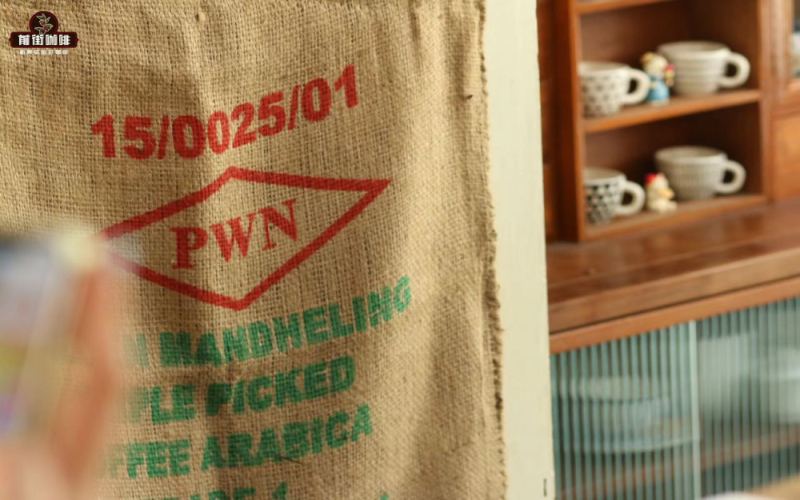
“Why is Mandheling coffee so bitter?!” Many friends, when first encountering Mandheling coffee, are always struck by its unique herbal spice notes and rich, intense mouthfeel. But that’s exactly where its charm lies! Although it is bitter, a good Mandheling coffee comes with a very pleasant sweet aftertaste, and its texture is smooth and full. [more…]
Moka Pot Non-Acidic Coffee Bean Recommendations: From Beginner to Advanced
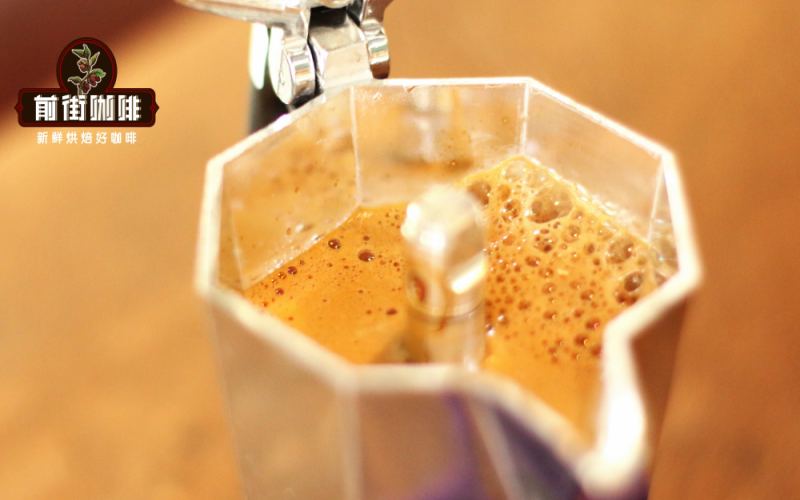
Friends who brew coffee with a moka pot almost always struggle with one question: how do you pick a bean that isn't sour? After all, coffee made in a moka pot is highly concentrated, so any sourness becomes very obvious once it appears. The good news is that as long as you stick to the directions of "full-bodied, low-acid, rich in oils," there are excellent choices from beginner to advanced levels. [more…]
How to Choose Non-Acidic Coffee Beans? Flavor Differences Between Yirgacheffe, Brazil, and Colombia, Plus Six Low-Acid Bean Recommendations
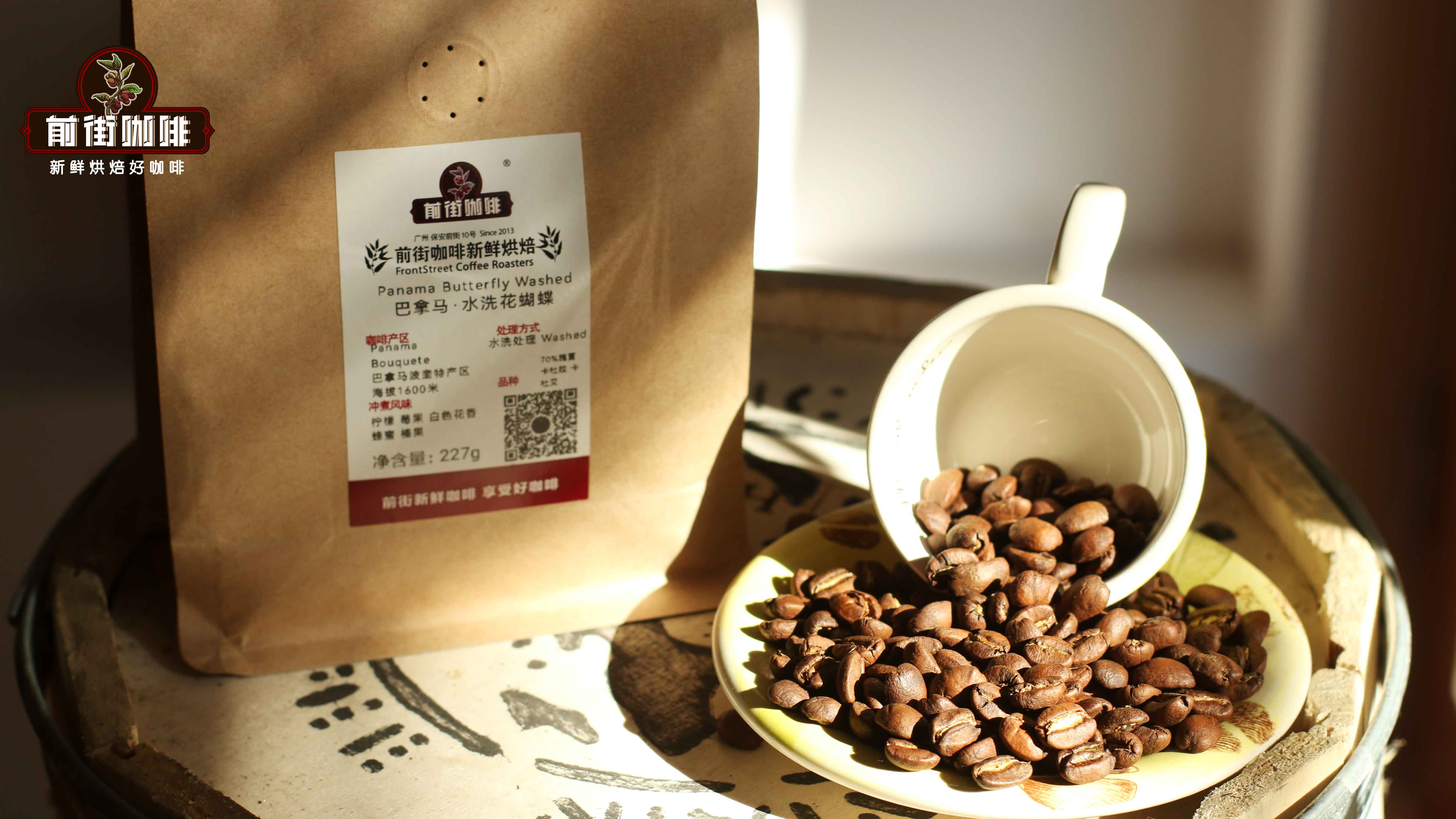
Many coffee lovers dislike coffees with prominent acidity, so how should they choose coffee beans that aren't sour? In fact, the acidity of coffee is closely related to roast level, origin, and processing method. Typically, lightly roasted beans have bright fruity acidity, while medium-dark roasts bring more sweetness and body, with a more balanced acidity-to-bitterness ratio. This article starts with roast level to help you sort out the differences in acidity among origins like Yirgacheffe, Brazil, and Colombia, and, following the standard of low acidity and high sweetness, recommends six coffees: Front Street PNG Bird of Paradise, Front Street Brazil Queen's Estate, Front Street Golden Mandheling, Front Street 2013 Yunnan Typica, Front Street Strawberry Candy Geisha Blend, and Front Street Colombia Huila, so you can easily find a good coffee that isn't sour. [more…]
Analyzing the Sources of Coffee Sweetness: Orthonasal and Retronasal Olfactory Mechanisms and Recommendations for Low-Acid, Non-Bitter Pour-Over Beans
Have you ever been puzzled when you ordered a "high-sweetness" black coffee, only to taste nothing but sourness and bitterness? Where exactly does the sweetness in coffee come from? Starting from the sugars in green coffee beans, this article analyzes the transformation of sugars during roasting and reveals that sweetness does not come directly from sugars, but instead relies on the sense of smell—especially the combined effect of orthonasal and retronasal olfaction. We will also share how to train your ability to perceive sweetness, and recommend Front Street Strawberry Candy, Front Street Blackberry, Front Street Sidra, Front Street Florals, and Front Street Queen's Estate—coffee beans with prominent sweet aromas—to help you easily capture that alluring touch of sweetness in your cup. [more…]

A Complete Guide to Coffee Bean Varieties: Arabica vs. Robusta and Low-Acid Coffee Recommendations
In the specialty coffee wave, the flavor expression of coffee beans has become increasingly rich. This article approaches from the perspective of varieties, introducing the two common coffee bean types, Arabica and Robusta, and outlining the characteristics and flavors of Arabica sub-varieties such as Typica, Bourbon, Caturra, SL28, SL34, Catuai, and Geisha. At the same time, for coffee lovers who prefer low acidity, Front Street Coffee recommends two products: Brazil Queen's Estate and PWN Golden Mandheling, along with detailed information on origin, altitude, variety, and processing method, helping readers understand coffee bean selection more systematically. [more…]
French Press Brewing Guide: Coffee-to-Water Ratio, Steeping Time, and How to Achieve a Low-Acid, Full-Bodied Flavor
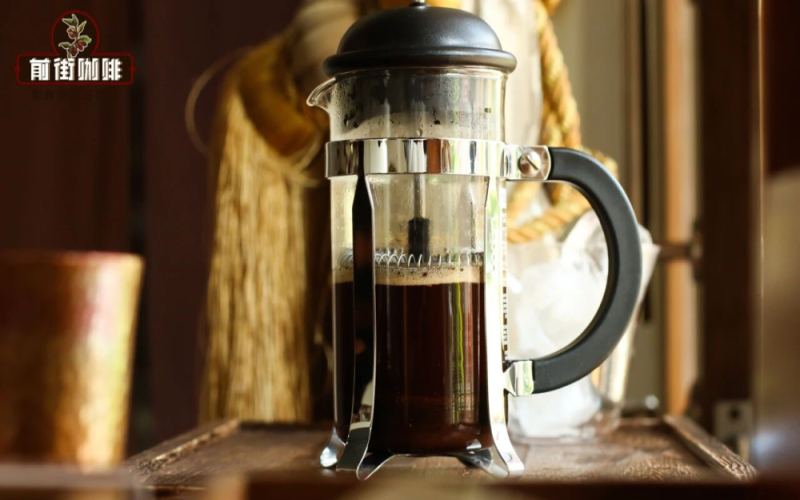
The French press, with its simple operation and lightweight design, has become a preferred choice for many households when brewing coffee. It requires no cumbersome equipment or techniques, allowing anyone to easily get a cup of good-tasting coffee. However, the French press's filtration precision is relatively lower than other devices, which has always been a focal point of discussion. But precisely because the metal filter retains the lipids in the coffee beans, it can present a more complete layering of flavors, thus earning a loyal following among home users. This article will systematically explain how to use a French press to make a cup of low-acid, rich, and smooth coffee, covering bean selection, coffee-to-water ratio, grind size, water temperature control, and specific operational steps, and will provide specific product recommendations from the Front Street Coffee brand. [more…]
The Hidden Risks of Coffee Creamer and Scientific Pairings: From Trans Fats to the Golden Ratio of Milk and Sugar
The main ingredient in coffee creamer is non-dairy creamer, and the trans fatty acids from hydrogenated vegetable oil may increase the risk of breast cancer and diabetes, and affect children's development and nervous system health. So how exactly should coffee be drunk to be healthy? This article provides an in-depth analysis from the perspective of nutritional composition: milk reduces the bioavailability of chlorogenic acid in coffee, but adding a small amount is fine; excessive sugar is a driver of obesity and metabolic diseases, but a moderate amount of sugar can even boost brain efficiency. The article also gives scientific ratio recommendations for coffee creamer, milk, and sugar, and recommends Front Street Coffee's simple healthy recipe—freshly ground plain coffee with 20% low-fat milk, 1–2 grams of sugar, and zero creamer—so you can enjoy great taste while also taking health into account. [more…]
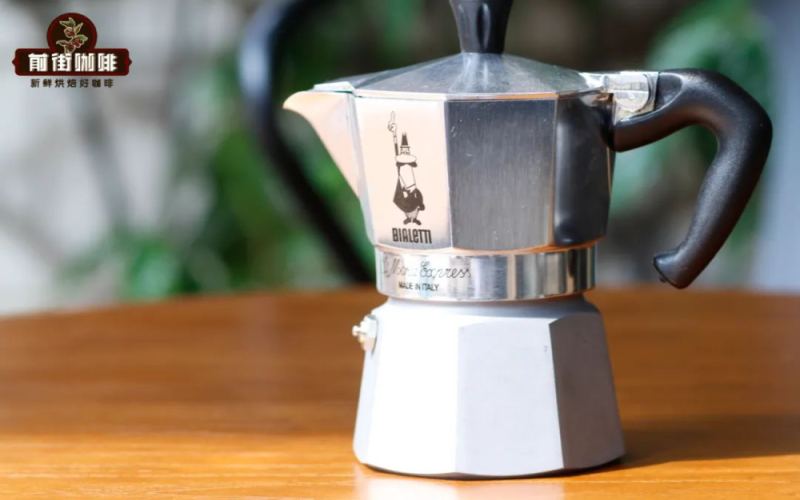
Bialetti Moka Pot Low-Acid Coffee Bean Selection and Grinding & Extraction Full Process Illustrated Guide
Since the moka pot was invented in 1933 by the Italian Alfonso Bialetti, it has been a common appliance in European households, especially in Italian kitchens. It works by heating the lower chamber to produce steam pressure, which pushes hot water through the layer of coffee grounds to extract a rich, full-bodied brew. To make a cup of coffee with a rich crema and a smooth mouthfeel using a moka pot, the freshness of the coffee beans, the choice of roast level, and the coarseness of the grind are all crucial. This article will focus on Front Street Coffee's freshly roasted specialty low-acid coffee bean recommendations for the Bialetti moka pot, the criteria for judging grind size, and the complete brewing process, providing coffee lovers with a practical guide to using the moka pot. [more…]
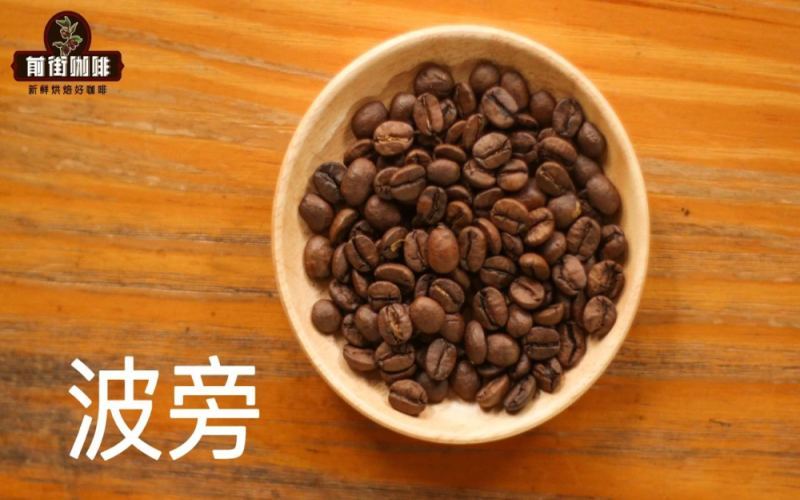
A Detailed Guide to Brazil's Bourbon Family Coffee Varieties: Flavor Characteristics of Red Bourbon and Yellow Bourbon, and Front Street Coffee's Specialty Bean Recommendations
Bourbon is a classic, long-standing variety of Arabica coffee, originating from a natural mutation of Typica. After being introduced to Brazil in the 19th century, it quickly became the mainstay of cultivation in Central and South America. In Brazil, over seventy percent of Arabica coffee belongs to the Bourbon family, among which Red Bourbon, Yellow Bourbon, Caturra, and Catuai are the most common. Through cupping comparisons, Front Street Coffee has found that Red Bourbon has a smooth mouthfeel and pronounced sweetness, Yellow Bourbon has soft, bright, and refreshing acidity, Caturra is clean and sweet, and Catuai has mild acidity with rich fruity notes. Currently, Front Street offers two Brazilian specialty beans—Cerrado Red Bourbon and Queen's Farm Yellow Bourbon—both medium-dark roasted, presenting regional flavors of nuts, caramel, and low-acid, full-bodied richness. This article will systematically outline the origins, characteristics, and Front Street brewing recommendations for these varieties. [more…]
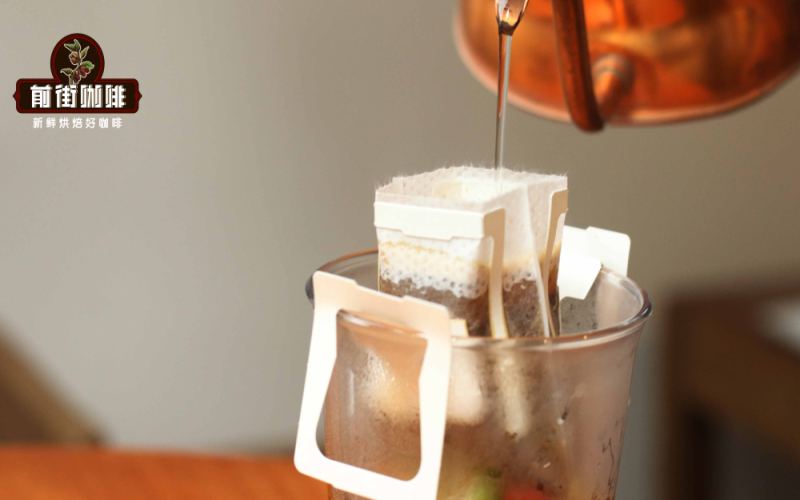
How Many Times Can You Actually Rebrew Drip Bag Coffee? Explaining the Fundamental Difference Between Coffee and Tea in Extraction Cycles
Drip bag coffee, with its convenience and high cost-effectiveness, is attracting more and more beginners to the fold. But many friends who are new to coffee often wonder: how many times can one drip bag actually be brewed? Why can tea leaves be steeped repeatedly, while coffee is usually extracted only once? This article starts with the composition of soluble substances in coffee beans, focuses on analyzing the role of chlorogenic acid in the extraction process, explains why coffee is not suitable for multiple brews, and also touches on why a second pour is not recommended after a regular brew. It also compiles Front Street Coffee's drip bag recommendations for different tastes, for everyone's reference when choosing. [more…]
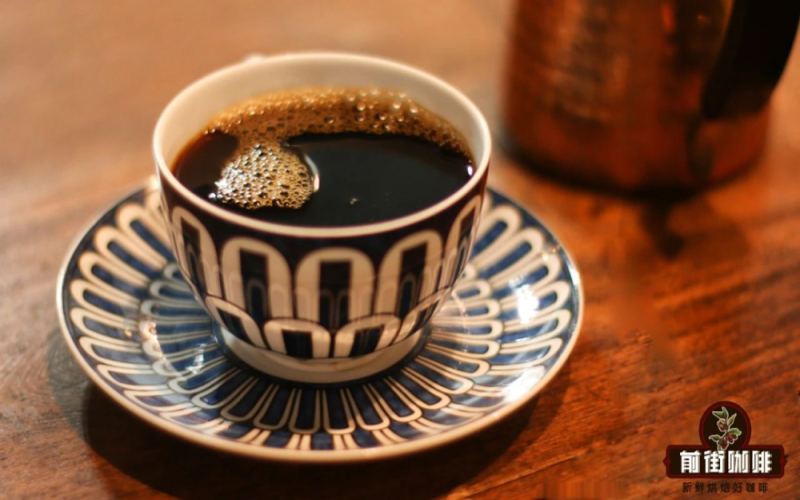
Specialty Dark Roast Coffee Bean Recommendations | How to Roast Golden Mandheling Green Coffee Beans? Introduction to the Flavor and Mouthfeel Characteristics of Golden Mandheling Black Coffee Brewed with the Three-Stage Pour-Over Method
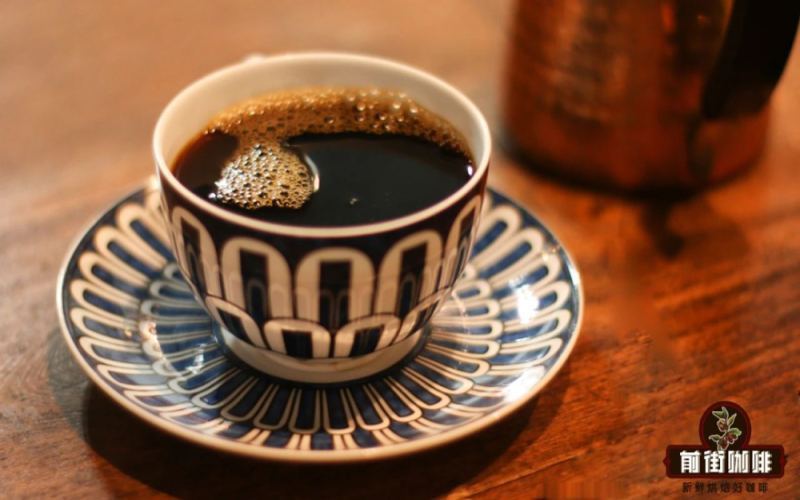
Mandheling coffee beans mainly exhibit a rich mouthfeel and a sweet, caramel-like flavor with a pleasant bitterness. Therefore, they are generally dark roasted. Taking Front Street's Golden Mandheling coffee beans as an example, before roasting Golden Mandheling, Front Street will roughly determine the roasting direction based on the growing information. The Golden Mandheling coffee beans are grown at an altitude of 1100–1 [more…]
Complete Guide to Roasting Golden Mandheling: Practical Techniques from Drying to First Crack and Brewing Recommendations
Golden Mandheling is known for its rich body and caramel sweetness, and is usually suited to dark roasting. Using Front Street Golden Mandheling as an example, this article explains the entire process in detail, from green bean processing information to roast dehydration, first crack judgment, and then brewing parameters. You will learn the key points of dehydrating wet-hulled green beans, the balancing techniques between caramelization and carbonization, and how to use a KONO dripper with 88°C water to extract a more balanced and full-bodied flavor. Whether you are a roasting beginner or a pour-over enthusiast, you can gain practical, actionable reference from it. [more…]
How to Choose Non-Bitter Coffee Beans for Pour-Over and Espresso? Light vs. Medium Roast Flavor Differences and Front Street Coffee Bean Recommendations
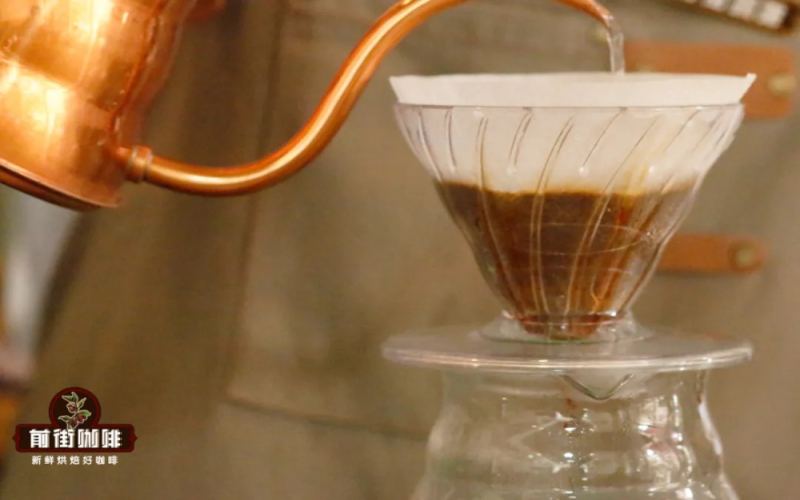
To enjoy a smooth cup of coffee without bitterness, the key lies in understanding the relationship between extraction principles and roast level. Soluble compounds in coffee dissolve into hot water, with fruity acidity emerging first, sweetness following, and bitterness last. Light-roasted beans retain more chlorogenic acid and small-molecule compounds, with a low degree of caramelization and minimal bitterness generation, making them ideal for highlighting floral notes and citrus or berry qualities. For pour-over beginners, light to medium roasts are the best starting point—for example, Front Street Coffee's washed Gudingding and Front Street Coffee's natural Huakui. The former has bright acidity and a delicate finish, while the latter offers full fruity aroma and a rich mouthfeel. If you use an espresso machine at home, pressurized extraction tends to amplify flaws, so you should choose medium-roast espresso beans, such as Front Street Coffee's Strawberry Candy Espresso, which has dense crema and a sweet-and-sour profile like strawberry gummy candy. [more…]